- This Month in Saudi
- Posts
- This Month in Saudi: After Eid, a Ceasefire, and a Kingdom Recalibrating
This Month in Saudi: After Eid, a Ceasefire, and a Kingdom Recalibrating
Thirty days that took Saudi Arabia from the Eid table to the edge of war and back: how the Kingdom navigated the Iran conflict, announced a new PIF strategy, reached the top of the global AI rankings, and sacked its football coach fifty-five days before the World Cup.
In partnership with


March-April ‘26 Edition
Welcome back to This Month in Saudi!
This edition covers one of the most consequential months in recent Saudi history. It began with Eid Al-Fitr on March 20, offering a brief but welcome pause after a Ramadan overshadowed by Iranian drone and missile strikes. It closes with the Kingdom in an entirely different posture: a fragile two-week ceasefire is holding between the United States and Iran, the Public Investment Fund has unveiled its next five-year strategy with a decisive pivot toward AI and private sector partnership, and Saudi Arabia has formally entered its 2026 Hajj season with Makkah now closed to non-permit holders.
Taif is in full bloom for its annual Rose Festival. The Diriyah Biennale is in its final weeks. Stanford ranked Saudi Arabia number one in the world in two AI categories.
The IMF revised the Kingdom's growth forecast downward, but oil above USD 90 a barrel is providing a fiscal cushion few predicted. And in what has become the most debated football decision in the Kingdom in years, Hervé Renard was sacked as national team coach fifty-five days before the World Cup.
The Green Falcons are without a confirmed coach. Hajj pilgrims are arriving. And the region is, cautiously, beginning to breathe again.
This edition covers culture and places, tech and business, foreign affairs, sport, and the sacred and seasonal, closing with a full calendar of what comes next.
Do you prefer a weekly or monthly newsletter? |
In this issue…
Culture and Places: Eid Al-Fitr across the Kingdom, Taif in bloom for the Rose Festival, and the Diriyah Contemporary Art Biennale heading into its final chapter.
Tech and Business: PIF's new five-year strategy and the formal deprioritisation of The Line, Saudi Arabia's number one ranking in two Stanford AI categories, and the IMF's revised growth forecast.
Foreign Affairs: The Iran war ceasefire mediated by Pakistan, Saudi Arabia's diplomatic role and its call to keep the Strait of Hormuz open, and where the Kingdom stands as peace talks continue.
Sport: Renard sacked fifty-five days before the World Cup, and what Saudi Arabia's Group H draw means for the summer.
Sacred and Seasonal: Hajj 2026 preparations, Makkah entry restrictions, and what the season means for the Kingdom's identity and logistics.
For Your Calendar: What to watch in the weeks ahead.
THIS MONTH IN CULTURE AND PLACES
Taif in Bloom: The Rose Festival Returns to the City of Roses
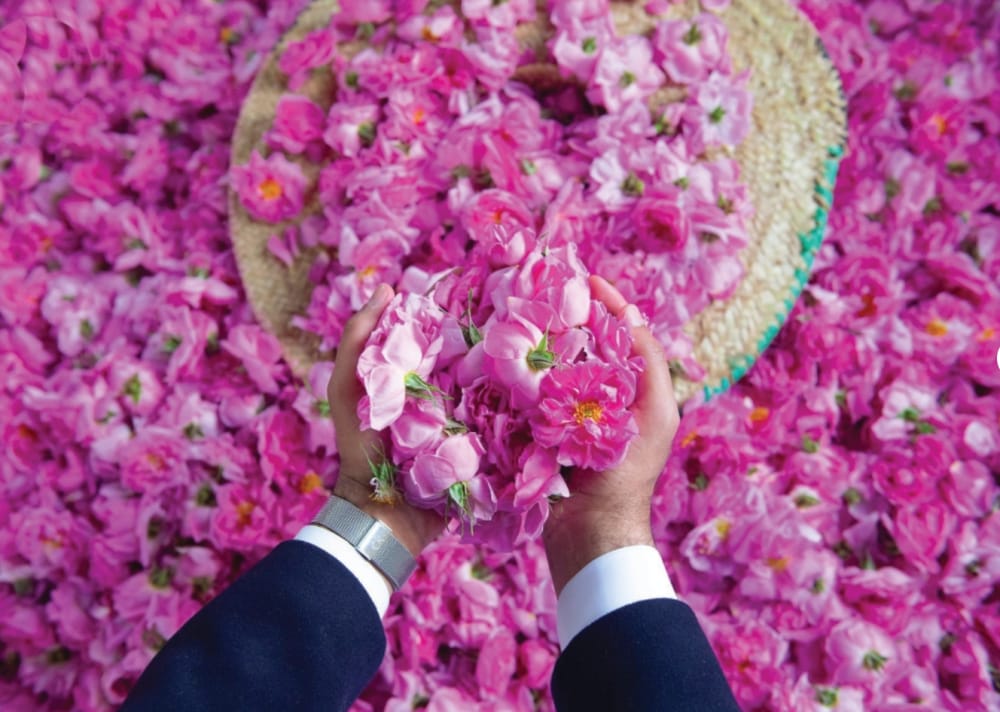
Every spring, the mountain city of Taif undergoes a transformation that has no equivalent elsewhere in the Kingdom. The 2026 harvest season launched in full force at the start of April, and farmers across the region have entered the most intensive weeks of a 45-day cycle that defines both the cultural calendar and the economic heartbeat of one of Saudi Arabia's most storied cities.
Every morning, before the sun crests the horizon, workers move through the rose fields by the thousands, picking blooms that begin losing their concentrated oils the moment daylight touches them. The goal is always the same: gather as much as possible in those first cool hours, when the petals carry the highest density of essential oil that will later be transformed into some of the rarest fragrance ingredients in the world.
These farms produce nearly 550 million roses annually, all harvested during a brief season of no more than 45 days, from early March to the end of April. The Taif rose, a 30-petalled Damask variety with a scent described as carrying hints of honey and tea, is used by international fashion houses including Guerlain, Givenchy, and Jo Malone.
The Rose Festival itself brings visitors to working farms to watch traditional copper-pot distillation, tour the blooming fields, and buy rose oil and rosewater directly from producers. Daytime temperatures at Taif's elevation hover around 25 degrees Celsius, making it one of the most pleasant places in the Kingdom at this time of year.
For anyone looking for a post-Eid trip that trades spectacle for something slower and more sensory, Taif in rose season is about as far from a megaproject as you can get, and all the better for it.
Diriyah Contemporary Art Biennale: The Final Weeks
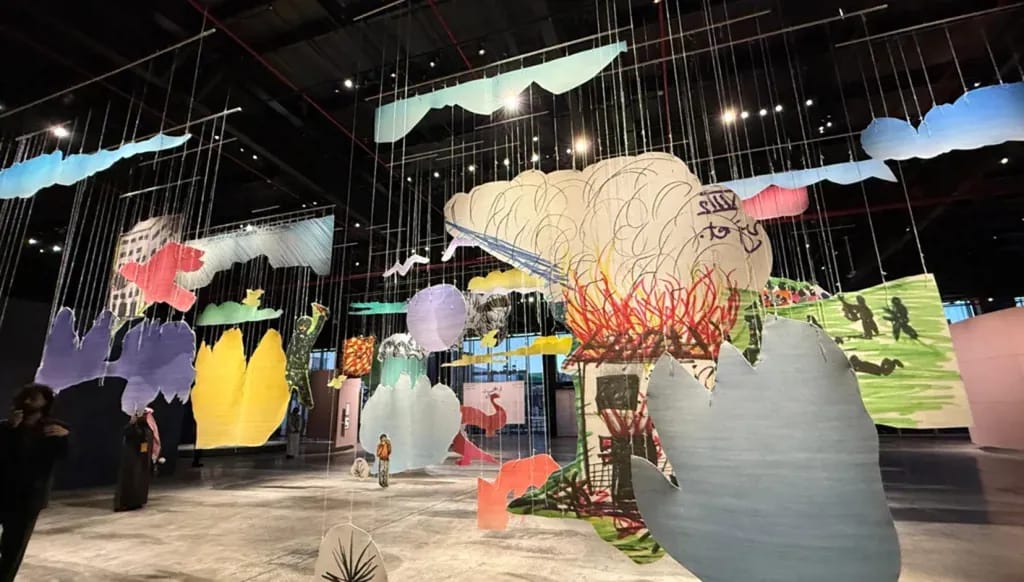
The third edition of the Diriyah Contemporary Art Biennale, titled "In Interludes and Transitions," is now in its final weeks, closing on May 2. The biennale has quietly matured into an established home-grown platform now in its third edition, bringing together the work of 70 international artists as part of Saudi Arabia's push to develop a self-sustaining art infrastructure, and is held at the JAX District, a former industrial area converted into a creative hub in Diriyah.
April's programming has included a poetry weekend, an archive symposium, family-guided tours, and artist talks from across the Gulf, South Asia, and North Africa. Arab News noted this month that Arab artists are on prominent display at this edition, reflecting the Biennale's growing confidence in platforming regional voices alongside international names. For residents who haven't visited, the final two weeks are the moment. The JAX District as a whole offers enough around it to build an entire day in Diriyah. More at biennale.org.sa.
Jeddah Hosts the AFC Champions League Elite Finals
Jeddah emerged as the centrepiece of Asian club football this month, hosting the AFC Champions League Elite Finals 2026. Saudi clubs featured prominently, with Al Hilal and Al Ahli both competing deep into the tournament in front of loud, partisan home crowds. King Abdullah Sports City, one of the most architecturally distinctive stadiums in the region, provided a striking backdrop.
For those tracking Saudi Arabia's sports infrastructure ambitions ahead of 2034, these matches are a live rehearsal at continental scale.
THIS MONTH IN TECH & BUSINESS
PIF Launches Its 2026–2030 Strategy, and The Line Steps Back
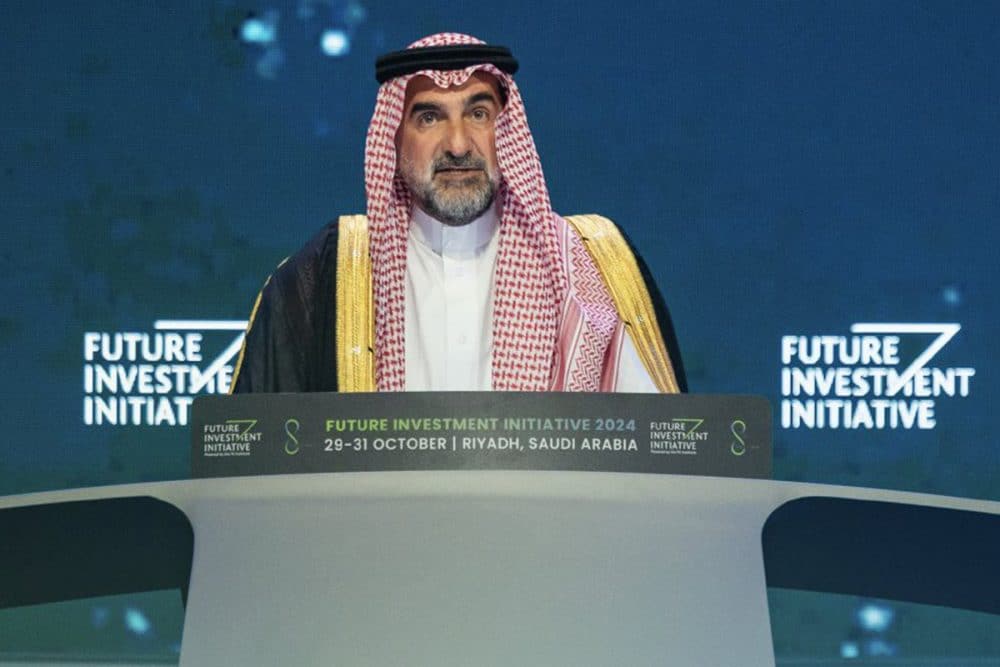
The biggest institutional story of the month arrived on April 15. The PIF Board of Directors, chaired by Crown Prince Mohammed bin Salman, approved PIF's 2026–2030 strategy, which focuses on delivering competitive domestic ecosystems to connect sectors, unlock the full potential of strategic assets, maximize long-term returns, and continue to drive the economic transformation of Saudi Arabia.
Under the new strategy, approximately 80 percent of PIF's investments will be directed toward the Saudi economy, a recalibration from the globally diversified approach of previous years, with a focus on six strategic themes including tourism, urban development, and clean energy. Investments are structured into three portfolios: a Vision Portfolio for transformative domestic opportunities, a Strategic Portfolio for managing key assets and growing them into global leaders, and a Financial Portfolio focused on sustainable returns.
The accompanying announcement about NEOM was the detail that drew the most attention. Saudi Arabia officially confirmed that The Line project will be deprioritised as part of the broader strategic realignment. PIF governor Yasir Al-Rumayyan stated that no NEOM projects have been formally cancelled, but that the organisation has been directed to reassess where capital flows, with artificial intelligence infrastructure and domestic investment taking precedence. The recalibration affects primarily the scale and pace of The Line itself.
Meanwhile, PIF's assets under management have grown from USD 150 billion in 2015 to more than USD 900 billion, with an annualised total shareholder return of over 7 percent since 2017 and more than USD 199 billion invested in new projects in Saudi Arabia from 2021 to 2025.
The message from the new strategy is clarity rather than retreat: the Kingdom is choosing depth over spectacle, AI over megastructures, and returns over announcements. Full details at pif.gov.sa.
A note on LIV Golf: The PIF's strategic pivot is already having ripple effects in sports. Reports this month indicated that PIF is reassessing its sports portfolio, with LIV Golf among the properties under review as the fund sharpens its focus on priority sectors.
Stanford Names Saudi Arabia Number One in Two AI Categories
The 2026 AI Index Report from Stanford University's Institute for Human-Centered Artificial Intelligence delivered a remarkable result for the Kingdom this month. Saudi Arabia is the world leader for security, privacy and cryptography in artificial intelligence, and for the empowerment of women in AI. The Kingdom ranks number one globally in terms of female representation among AI inventors and authors, at 32.3 percent, ahead of Australia on 30.1 percent and Canada on 29.6 percent.
Saudi Arabia also recorded the fastest growth in any country's share of AI talent globally, an increase of more than 100 percent between 2019 and 2025. More than 80 percent of respondents in Saudi Arabia said they regularly use AI at work, with levels of trust similarly elevated, contrasting sharply with North America and Europe where only about half of employees report regular use.
These are not soft rankings. The Stanford AI Index is one of the most authoritative global assessments of AI progress, and topping two categories, including female participation in a field with a persistent global gender gap, reflects genuine structural change. The Kingdom had already designated 2026 as its Year of Artificial Intelligence. Stanford's numbers give that designation international credibility.
IMF Cuts Saudi Growth Forecast, but Oil Softens the Blow
The April 2026 IMF World Economic Outlook delivered a harder set of numbers for the Kingdom. The IMF cut GDP growth forecasts for Saudi Arabia from 4.5 percent to 3.1 percent, with the revision driven by the hostilities in the Middle East and their impact on investment confidence, inflation, and global growth. For the Middle East and North Africa region as a whole, the 2026 growth forecast was cut by 2.8 points to 1.1 percent.
The paradox is that oil above USD 90 a barrel, driven by the same regional tensions that prompted the downgrade, is generating a fiscal surplus Saudi Arabia's budget planners did not anticipate. The Kingdom's fiscal breakeven price sits at approximately USD 78 to 85 per barrel; at current prices, every additional dollar represents revenue that can be directed toward development or reserves. The structural concern is what sustained elevated energy costs do to global demand, and to the tourism, FDI, and non-oil sectors that Vision 2030 depends on. The IMF's 2027 forecast, revised upward to 4.5 percent, reflects confidence that a post-conflict normalisation will restore momentum if and when it comes.
THIS MONTH IN FOREIGN AFFAIRS
From Fire to Fragile Truce: Saudi Arabia and the Iran Ceasefire
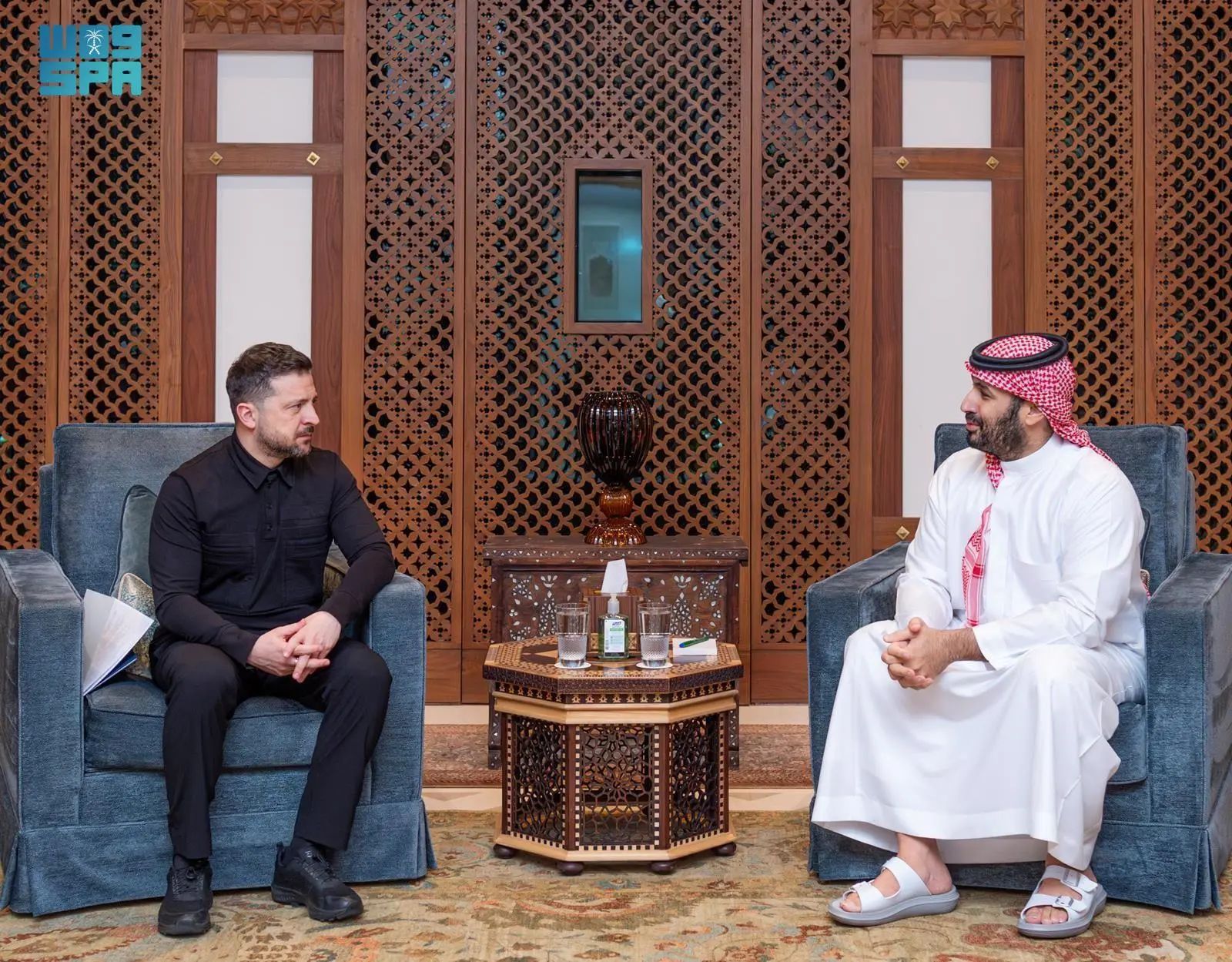
Ukrainian President Volodymyr Zelenskyy with Saudi Arabia's Crown Prince Mohammed bin Salman in Riyadh on 26 March 2026 (read more).
The defining shift of this period came on April 8. On that date, the United States and Iran agreed to a two-week ceasefire in the 2026 Iran war, mediated by Pakistan. In announcing the deal, Trump wrote that it would be a "double sided ceasefire" and that the US had "already met and exceeded all military objectives." The Strait of Hormuz, closed for weeks and the single most consequential economic chokepoint of the conflict, was reopened to traffic.
Saudi Arabia welcomed the announcement, with the Kingdom's Ministry of Foreign Affairs saying it supports mediation efforts led by Pakistan and emphasizing the importance of reaching a permanent agreement that would bring stability to the region. The statement also underlined the necessity of keeping the Strait of Hormuz open for navigation.
The weeks leading to the ceasefire had tested the Kingdom acutely. Pakistan Prime Minister Shehbaz Sharif met Saudi Crown Prince Mohammed bin Salman in Jeddah as part of his regional mediation tour, reiterating Pakistan's commitment to advancing efforts toward an agreement aimed at lasting peace and stability, and expressing gratitude to the Crown Prince for his support of Pakistan's peace efforts.
Since the ceasefire declaration, it has been violated by both sides. On March 25, Pakistani officials delivered a 15-point US proposal to Iran, which Iran rejected and countered with its own terms. On April 11, US Vice President JD Vance arrived in Islamabad for a second round of talks with Iranian officials. As of this edition, the ceasefire is holding but its extension or formalisation remains under active negotiation.
How to read this as a Saudi watcher: The ceasefire matters for the Kingdom on at least five levels: security, oil logistics, FDI confidence, the Hajj season, and Saudi Arabia's long-term positioning as a stable regional anchor. Each day the truce holds is a day the transformation narrative recovers credibility with international partners. A formal peace deal would likely trigger a rapid reversal of the investment caution that has built since February 28. The most visible casualty so far on the events side has been the Formula 1 calendar: Formula 1 confirmed that the Saudi Arabian Grand Prix, scheduled for the Jeddah Corniche Circuit in April, would not take place, with no replacement events added to the season. Formula 1 F1 President and CEO Stefano Domenicali said he looks forward to returning to Saudi Arabia as soon as circumstances allow.
Fast browsing. Faster thinking.

Your browser gets you to a page. Norton Neo gets you to the answer. The first safe AI-native browser built by Norton moves with you from idea to action without slowing you down. Magic Box understands your intent before you finish typing. AI that works inside your flow, not beside it. No prompting. No copy-pasting. No switching apps.
Built-in AI, instantly and for free. Privacy handled by Norton. Built-in VPN and ad blocking protect you by default. No configuration. No extra apps. Nothing to think about.
Fast. Safe. Intelligent. That's Neo.
THIS MONTH IN SPORT
The World Cup Problem: Renard Out, Fifty-Five Days to Go
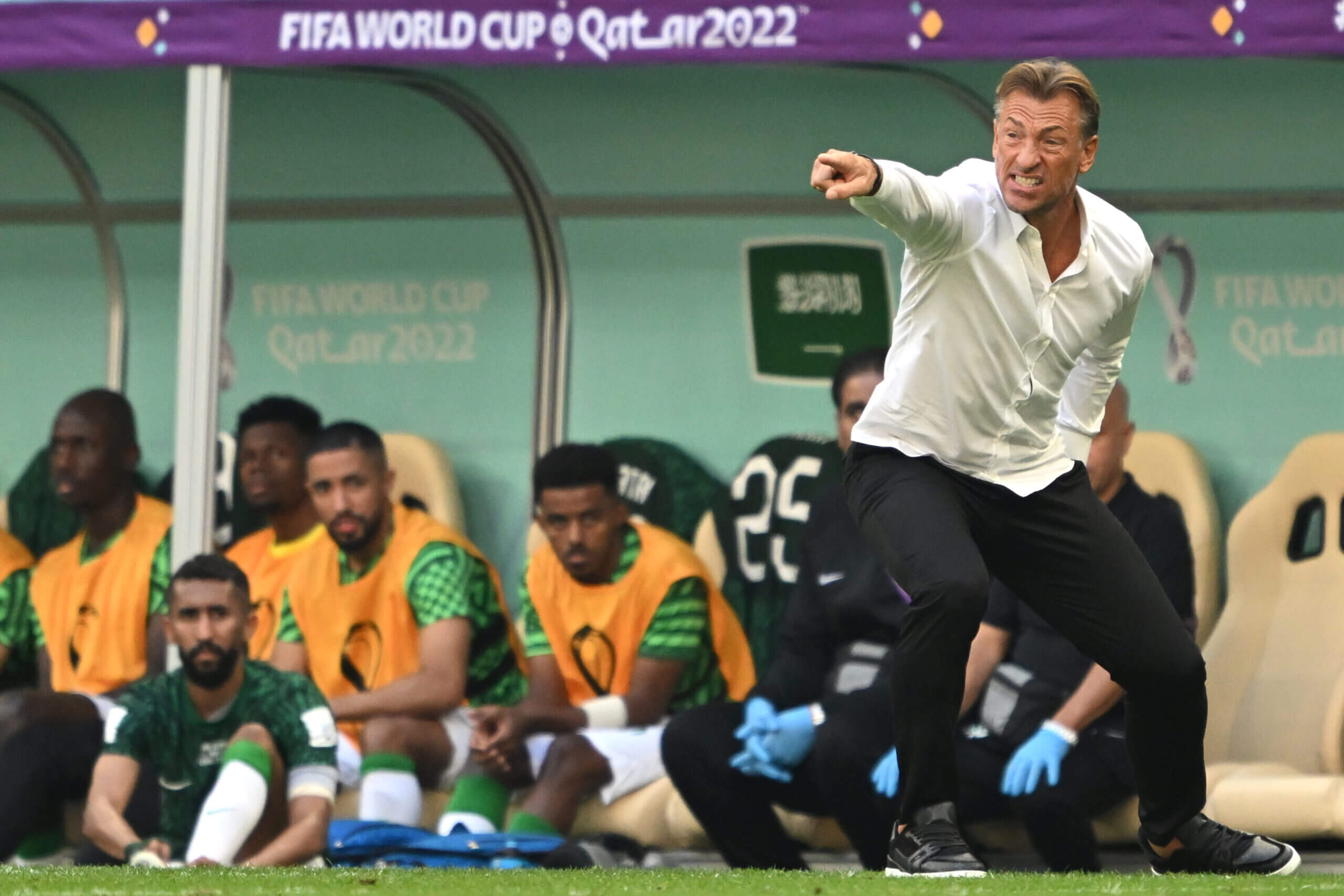
Saudi Arabia's football federation delivered a genuine shock on April 17. Hervé Renard was relieved of his duties as Saudi Arabia coach less than two months before the start of the FIFA World Cup 2026 in North America. The 57-year-old had returned for a second spell as Saudi coach at the end of 2024, having led them at the last World Cup in Qatar, including a historic 2-1 victory over eventual champions Argentina.
The dismissal followed losses to Egypt by four goals to nil and Serbia by two goals to one in the March FIFA window friendlies. Saudi Arabia are drawn in Group H alongside Spain, Uruguay, and debutants Cape Verde, with all group games scheduled to be played across the United States. Saudi Arabia have agreed terms with Georgios Donis to take charge of the national team, with the Greek coach set to become the federation's latest appointment ahead of the tournament. The squad's first game is scheduled for June 15 against Uruguay, giving the incoming coach just under two months to assess the squad, establish his methods, and build team cohesion.
Renard was measured in his response. "That's football. Saudi Arabia have qualified for the World Cup seven times, including twice with me. And there's only one coach who has led them through both the qualifiers and the World Cup, that's me, in 2022. At least there will be that sense of pride," he told AFP.
The decision is especially difficult to explain given the timing. There is no coaching appointment in world football that carries more risk than inheriting a World Cup squad fifty-five days before the tournament. The federation's logic will be judged entirely by what happens in North America this summer. In the wider context of Saudi Arabia's 2034 hosting ambitions, every tournament appearance carries additional weight.
THIS MONTH IN SACRED AND SEASONAL
Hajj 2026: The Kingdom Opens Its Doors, and Closes Mecca
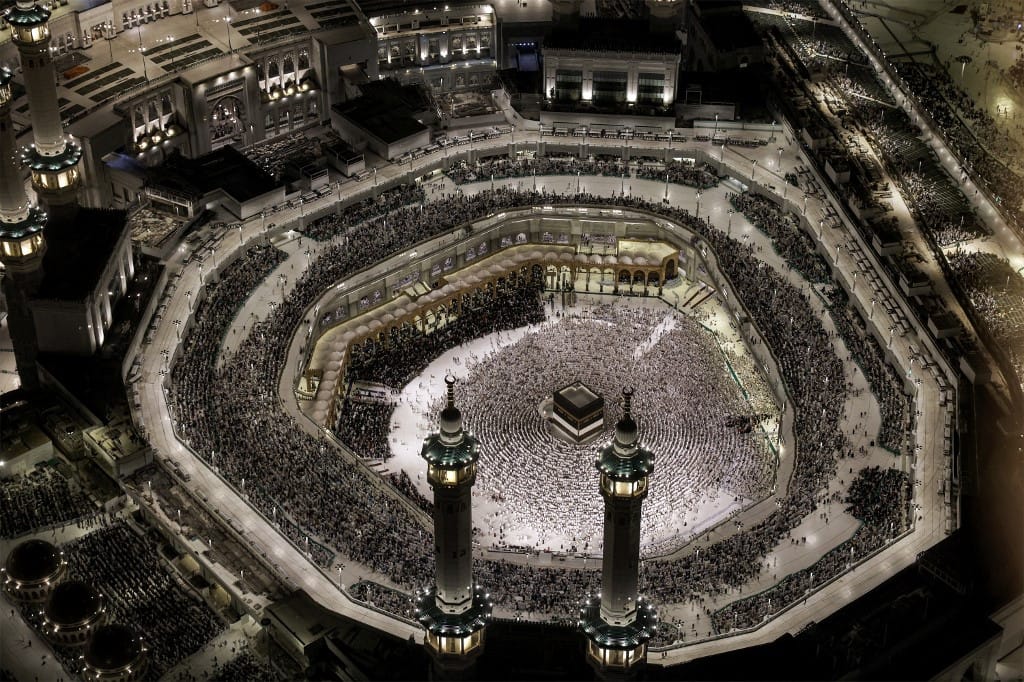
While one part of Saudi Arabia's attention was on ceasefires and football coaches, another was moving through its most sacred annual preparations. Starting from April 13, Saudi Arabia put in place strict entry regulations for the holy city of Mecca/Makkah ahead of the Hajj season. The General Directorate of Passports launched an online application system for Mecca entry permits, accessible through the Absher and Muqeem digital platforms.
From April 18 to May 31, Saudi Arabia stopped issuing Umrah permits via the Nusuk platform. Entry to Makkah was restricted starting April 13, with no entry or stay allowed for anyone without a Hajj visa. International pilgrims holding accredited Hajj visas began arriving from April 18, with the pilgrimage rites expected to take place between May 24 and May 29.
The measures reflect both the scale of the logistical undertaking and the Kingdom's increasingly sophisticated digital approach to managing one of the world's largest annual human gatherings. This year, the Hajj season arrives in a region returning from conflict, and the pilgrimage carries the additional weight of that context. The custodianship of the Two Holy Mosques is, in the Kingdom's own framing, its most foundational responsibility. For Muslims arriving from across the world, the journey to Mecca in 1447 AH will carry particular meaning.
For your calendar
Through May 2: The Diriyah Contemporary Art Biennale, "In Interludes and Transitions," enters its final two weeks at the JAX District in Diriyah. Sixty-five artists, over 20 new commissions, and programming that includes poetry sessions, archive workshops, and family tours. Free entry; more at biennale.org.sa.
Through late April: The Taif Rose Festival and annual harvest season continues across the farms of Al Hada and Al Shafa. Working farm tours, copper-pot distillation demonstrations, rose oil and rosewater direct from producers, and mountain air at around 25 degrees Celsius. One of the most distinctive seasonal experiences the Kingdom offers. More via visitsaudi.com.
May 24–29: Hajj 2026. International pilgrims have been arriving since April 18. Entry to Makkah is restricted to Hajj visa holders until June. The most significant gathering in the Muslim world each year.
June 15 onward, North America: Saudi Arabia open their 2026 FIFA World Cup campaign in Group H against Uruguay, Spain, and Cape Verde.
Summer 2026, Riyadh: The Esports World Cup returns with 24 confirmed games structured around a Club Championship. Last year, Team Falcons won on the final weekend. Dates to be confirmed at esportsworldcup.com.